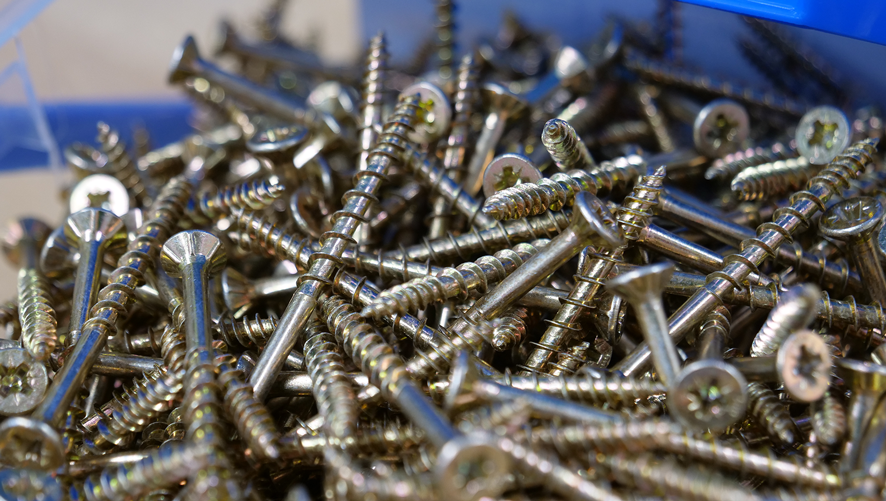
The Evolution of Fixings: How Screw Design Has Changed
Discover how modern screw engineering has evolved to improve speed, strength, and performance across today’s construction projects.
People don’t really think about screws much until they use bad ones. Then suddenly it becomes very obvious. Older screws got the job done… sort of.
But they also came with:
- Loads of pilot drilling
- Slower installs
- More snapped screws
- More splitting
- More effort
- More arguing with your driver
Back then, most screws were basically “that’ll do” fixings. One type for everything.
No real thought about different materials or jobs.
And compared to modern fixings, some of them honestly felt brutal to use.
Modern Jobs Need Better Fixings
Building materials have changed massively over the years.
You’re now dealing with:
- Dense hardwoods
- Composite boards
- Modern cladding systems
- Structural timber
- Treated outdoor timber
And if you try using old-school fixings on modern materials, things can go downhill pretty quickly. That’s why screw design’s evolved so much.
Modern screws are designed to:
- Drive in faster
- Grip better
- Reduce splitting
- Clamp materials tighter
- Make installs smoother
Which doesn’t sound exciting…until you’re 400 screws deep into a decking job. Then suddenly it becomes VERY exciting.
Threads Got Smarter
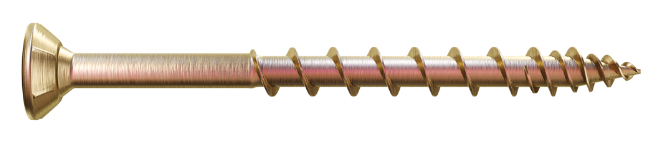
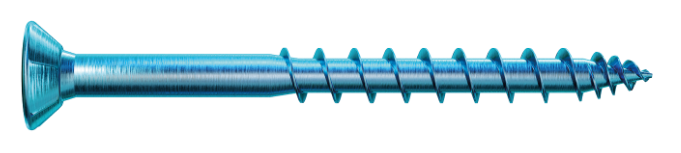
One of the biggest changes has been thread design. Older screws mostly just forced their way through material.
Modern thread systems are designed to cut cleaner, reduce resistance, and pull materials together properly instead of fighting against them the whole way in.
Which means:
- Less pressure on the screw
- Less pressure on the timber
- Less chance of snapping
- Less chance of chewing the head out
Basically, less drama.
Outdoor Screws Changed Too
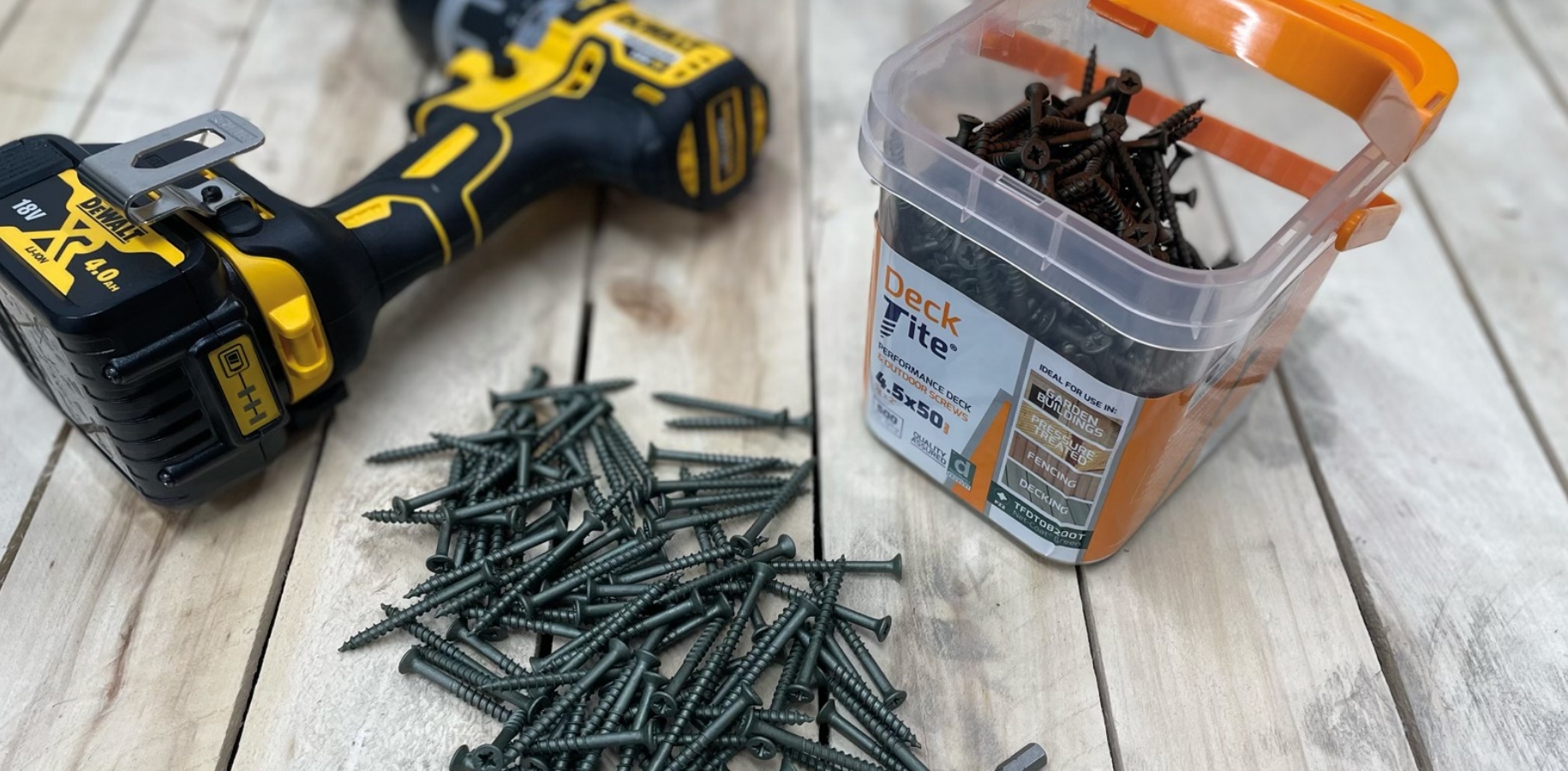
It’s not just the thread designs that improved either. Outdoor jobs absolutely destroy poor-quality screws over time. Rain, damp, treated timber, coastal air… all of it takes its toll.
That’s why modern fixings now use things like:
- Stainless steel
- Specialist coatings
- Corrosion-resistant finishes
Because nobody wants fresh decking ruined by rusty screws six months later.
Tiny Product. Massive Difference.
Screws are probably one of the smallest parts of any build. But bad fixings can slow jobs down, wreck materials, and create problems long after the work’s finished.
Good fixings just make life easier.
Cleaner installs.
Faster work.
Less hassle.
And honestly, that’s probably why people get weirdly passionate about screws in the first place.
Categories
- Products
Popular Blogs